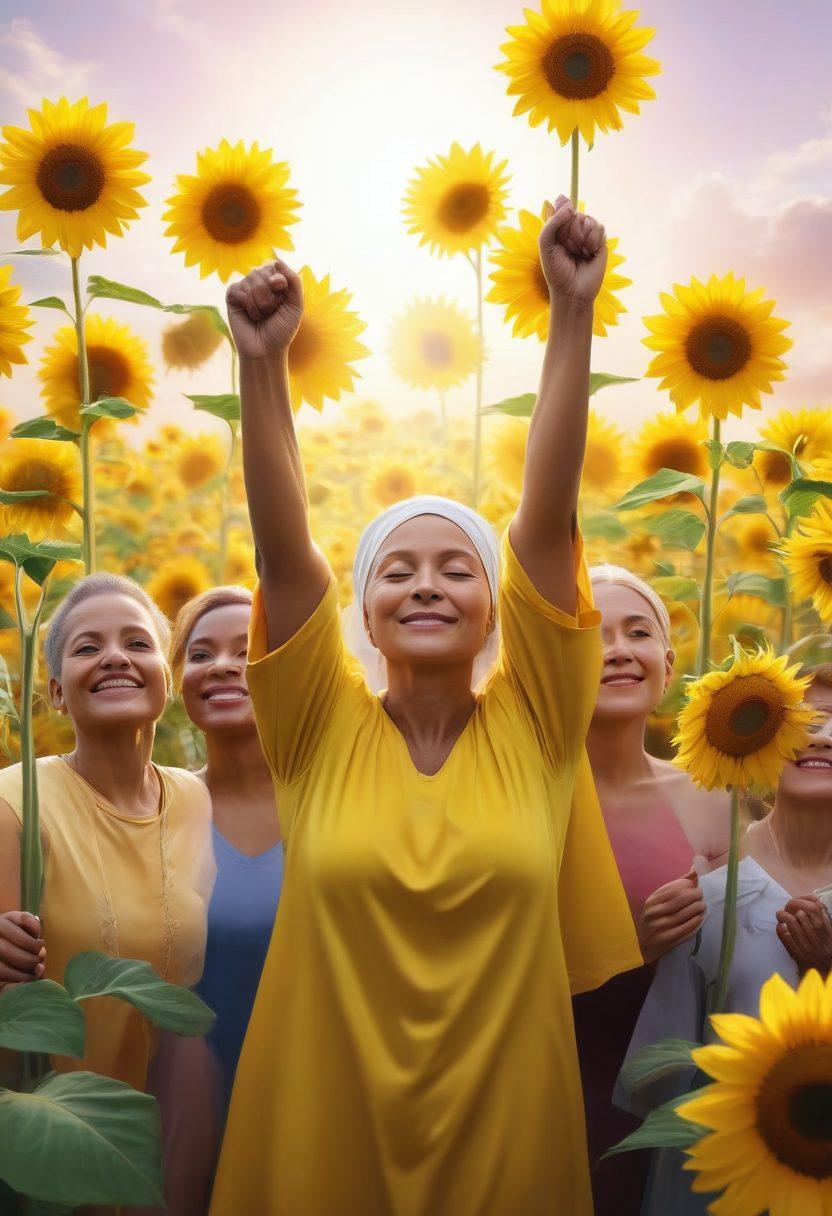
Empowering Cancer Warriors: Your Ultimate Guide to Comprehensive Care and Support
Navigating the cancer journey can often feel like sailing through uncharted waters. The diagnosis, the treatments, and the emotional toll can leave even the strongest warriors feeling adrift. This is where understanding the essential resources and support becomes pivotal. As one cancer survivor aptly put it, 'The journey is tough, but with the right support, I realized I’m not alone.' In this guide, we’ll explore vital cancer care resources, actionable patient advocacy steps, and how powerfully connected the cancer community is in helping one another thrive.
Every warrior needs a reliable map, and in the realm of oncology, that map is a wealth of cancer information and patient resources. From understanding the intricacies of cancer treatment options like Bobath therapy to learning the latest cancer updates through credible medical blogs, being informed is your strongest ally. Ask yourself: How well do I know my cancer and the available treatment pathways? The more knowledge you have, the better equipped you are to tackle the hurdles ahead. This health blog is here to ensure you become your own best advocate through cancer education and awareness.
Support groups are a sanctuary for many undertaking this battle against cancer. They foster a sense of community and belonging, allowing warriors to share stories, strategies, and the occasional laugh. Imagine being among those who truly understand your struggles. Whether it's finding tips for managing side effects or discussing cancer prevention measures, these groups are an invaluable resource. Consider reaching out to local cancer support groups or online forums where you can connect with fellow survivors. Together, we can generate a collective strength that is hard to beat!
Navigating cancer treatment isn’t just about medical therapies; it's also about holistic health and wellness. Feeling well during treatment is just as important as the treatment itself. Can you envision the transformative power of incorporating mindfulness, yoga, or nutritional adjustments into your routine? Embracing a holistic approach to wellness can uplift your spirits and offer you a fighting chance against the various side effects. Look into clinical trials that focus on innovative therapies including the psychological aspects of wellness and how they might complement traditional oncology treatments.
Finally, staying abreast of oncological research and advancements in palliative care can arm you with the information you need for informed decision-making. The world of tumor research is consistently evolving, and so too are the resources available to cancer survivors. Opt for newsletters or follow reputable websites that provide up-to-date cancer updates and advancements. This type of proactive engagement not only helps you stay informed but also enhances your confidence in navigating your cancer journey. Remember, it's about building a toolkit full of resources that allow you to face each day with strength and hope.
From Treatment to Triumph: Comprehensive Care Strategies for Cancer Survivors
In the face of a cancer diagnosis, the journey may feel like an uphill battle—a daunting road that can often lead to feelings of isolation, fear, and uncertainty. But what if we changed that narrative? What if we saw this journey not just as a struggle, but as an opportunity to embrace empowering strategies that can turn cancer treatment into a triumph? Together, let’s explore comprehensive care strategies for cancer survivors that enhance wellness and foster resilience. After all, as the saying goes, 'What lies behind us and what lies before us are tiny matters compared to what lies within us.'
Navigating the world of oncology can feel overwhelming, especially as patients face the complexities of cancer treatment. That’s where a strong foundation of cancer education comes into play. Understanding your diagnosis, treatment options, and side effects can empower you to take control of your health. By actively participating in your care, you can work with your team of healthcare providers to create a personalized treatment plan. Resources like medical blogs and patient advocacy groups can provide essential information and timely cancer updates that clarify the landscape, ensuring you stay informed and prepared at every step.
But what about life after treatment? Cancer many times leaves its mark, requiring survivors to find new paths toward healing and wellness. Here’s where comprehensive cancer care expands beyond medicine. Imagine integrating techniques like Bobath therapy, renowned for its effectiveness in rehabilitation, alongside palliative care approaches that offer comfort and support. Embracing a holistic health perspective means acknowledging not just the physical but also the emotional and spiritual wounds cancer can inflict. Think about this: how can the lessons learned during your treatment foster a new lifestyle of wellness?
One of the most powerful tools in your cancer-fighting arsenal is community support. Joining cancer support groups could be a game-changer—meeting with others who share similar experiences can ignite a sense of belonging and understanding. These connections can lead to meaningful conversations that often spark hope and motivation during difficult times. So, how can you reach out to your local or virtual support network? Remember, it’s not just about survival; it’s about thriving together, sharing resources, and cultivating strength through connection.
Finally, staying engaged with ongoing tumor research and clinical trials can pave the way for new understandings in cancer care. These advancements may not only illuminate better treatment options but also advance cancer prevention strategies that benefit future generations. As cancer warriors, understanding these developments not only empowers you but contributes to the larger narrative of health awareness. So, what steps can you take today to become an empowered advocate for your health and the health of others? The journey from treatment to triumph is truly possible and within your reach!
Empowering Through Knowledge: The Role of Education and Advocacy in Oncology
Navigating the journey of cancer can feel overwhelming, and in such a tumultuous time, education and advocacy play critical roles. Imagine standing at the edge of a deep and dark forest, uncertain and afraid. Now, picture a flashlight illuminating the path ahead— that's what knowledge does for cancer patients and their families. In the world of oncology, cancer care requires more than just medical intervention; it necessitates a robust foundation of education and awareness. With cancer treatment evolving continuously, staying updated with the latest cancer updates can empower both patients and caregivers to make informed choices.
One of the most powerful tools in cancer care is cancer education. Having access to reliable cancer information opens doors to understanding treatment options, potential side effects, and the importance of patient resources. For many, knowing about available treatments, such as Bobath therapy aimed at enhancing rehabilitation after surgery, can spark a glimmer of hope and a sense of control. Whether it’s learning about palliative care or understanding the nuances of clinical trials, education creates an informed patient who can actively participate in their own healing journey. And isn’t that what we all deserve? A voice in our own care?
The importance of patient advocacy cannot be overstated. While navigating the complex landscape of oncology, it can sometimes feel like a lonely road. Cancer support groups, both in-person and online, serve as vital connections for cancer survivors and their families. Sharing stories, strategies, and emotional support fosters a sense of community that reminds one they’re never truly alone. How many times have you wished for someone who understands? These groups are often the lifeline that many patients need, providing both encouragement and shared wisdom that can lead to holistic health outcomes.
As we delve deeper into the world of oncological research, it becomes increasingly clear that innovation and education must work hand in hand. With ongoing tumor research yielding new insights into prevention and treatment, advocates play a significant role in ensuring these findings reach the broader community. By participating in health blogs focused on cancer, individuals can disseminate knowledge, raise awareness, and challenge outdated norms. In a world where cancer persists, advocacy transforms into activism—a potent force that not only seeks to inform but empowers the masses to take charge of their health and wellness.
To truly empower cancer patients and warriors, we must foster an environment where information is accessible, advocacy is a priority, and education is a continuous journey. Whether you’re a cancer survivor reflecting on your own experience or someone who supports a loved one battling cancer, remember that knowledge is not just power; it's a beacon of hope. So, how can you contribute? By seeking cancer education, sharing valuable cancer updates from trusted sources, and actively engaging in patient advocacy, we can all create a supportive network that uplifts and empowers those affected by cancer. Together, let’s illuminate the path toward a brighter, healthier future.